星期五 更1
记录了伊万和查理骑着翻新后的复古摩托车,从伊万在苏格兰的家一路骑到查理在英格兰的家——但他们可不是走最短的路线,而是选择“绕远路”!他们将穿越北海前往斯堪的纳维亚,骑至北极圈,再南下波罗的海国家、横穿欧洲大陆,最终在两个月后跨越英吉利海峡回到家乡。 这是一场穿越超过15个国家的冒险旅程,他们将领略壮丽风光,行驶在世界上一些最精彩的驾驶路线中。途中,他们还会深入当地文化,与当地人互动,体验各种独特又有趣的活动。
伊斯坦布尔的猫并不能简单归类为我们平日所见的家猫或流浪猫,它们自由地出入于人类的生活,亲密但又保有自由,介乎于野生与驯养之间。在伊斯坦布尔,这样的猫成千上万只,它们以这样的方式和伊斯坦布尔共生了数千年。伊斯坦布尔人爱猫,许多人都有自己和猫之间独特的故事,与其说是猫依赖人,不如说是人依赖着与猫之间的亲密与羁绊,有人觉得猫是自己和上帝之间的桥梁,有人觉得猫是自己活在世上的一面镜子。伊斯坦布尔的猫之所以特别,因为它们也是这里的居民,伊斯坦布尔是它们的城市。
电影制片人马克·福布斯 (Mark Forbes) 探讨了困扰英国电影业数十年的阶级问题,并从工人阶级背景的人士的角度进行了探讨。
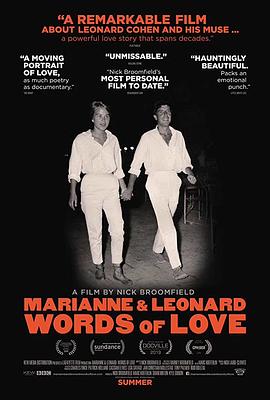
A story of enduring love between Leonard Cohen and his Norwegian muse Marianne Ihlen. The film follows their relationship from the early days in Greece, a time of ‘free love’ and open marriage, to how their love evolved when Leonard became a successful musician.
It showcases the story behind the first Black Barbie. It started with the filmmaker's 83-year old aunt, Beulah Mae Mitchell and a seemingly simple question: "why not make a Barbie that looks like me?"
这是一部历史纪录片,也是对《MAD》杂志的遗产和影响的致敬之作,其中收录了一些仍然健在的“一群白痴”和以前的客座撰稿人。
在日本侵华战争的八年间,至少20万中国妇女被迫沦为日军的性奴隶,也就是我们经常提及的“慰安妇”。在影片2014年开拍之时,中国内地仅剩22位“慰安妇”幸存者。当光阴慢慢划过,时间抚平伤口,这些经历了常人无法想象的磨难的老人们,如今又身在何处,过着怎样的生活,经历着怎样的悲喜忧乐?
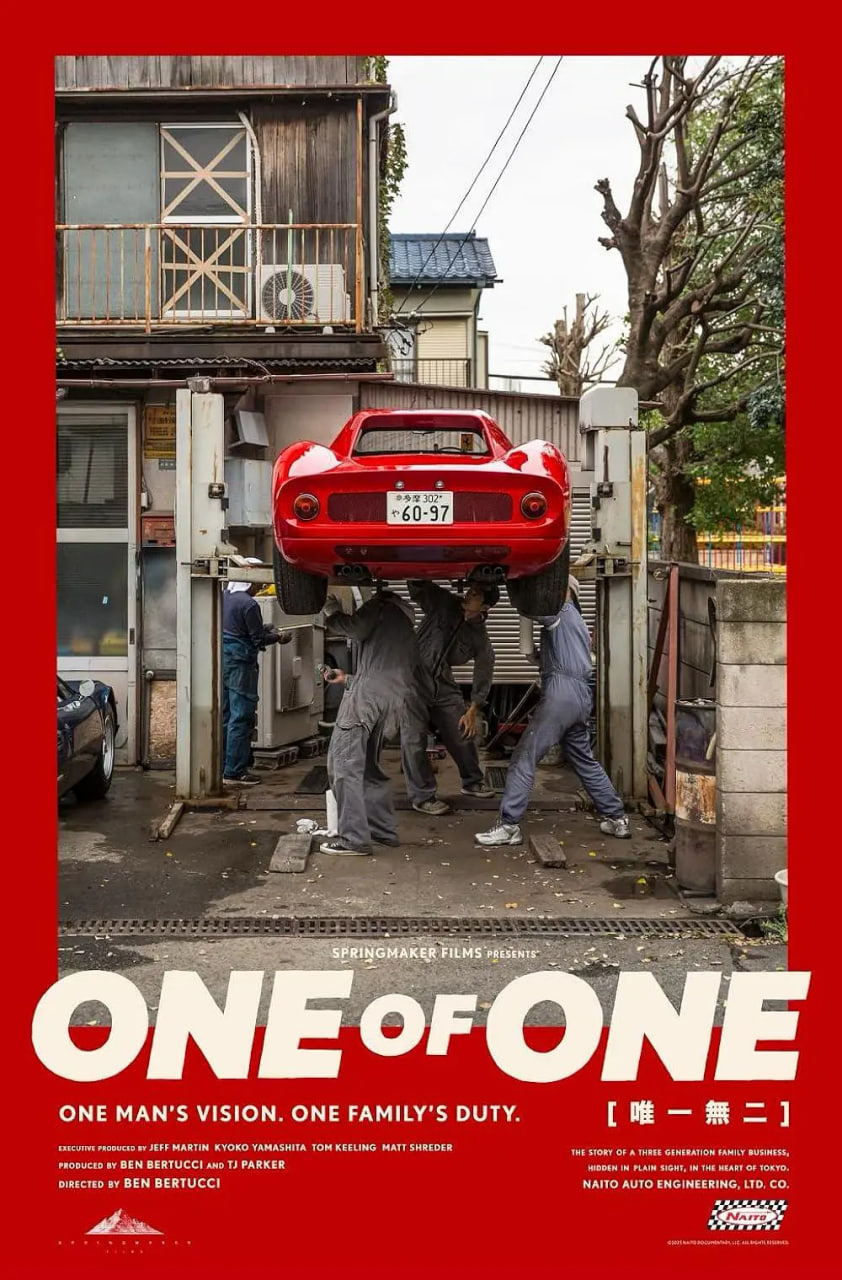
Concourse Media 即将推出纪录片《独一无二》(One Of One),这部历时五年拍摄的影片讲述了一个神秘的日本汽车修复家族的故事。导演本·贝尔图奇(Ben Bertucci)的这部作品聚焦于即将退休的内藤家族及其汽车企业的特立独行的族长内藤正雄(Masao Naito),他能否信任自己的子女,让他们继承父亲的事业,实现他临终的愿望?内藤汽车(Naito Auto)被誉为日本最精湛、最精准的经典汽车修复店。正雄的父亲内藤真一(Shinichi)在二战期间创立了这家公司,为驻日美军维修欧美车辆,并嘱咐儿子内藤汽车要传承三代。这部影片将深入探讨这个家族的灵感、执着、抱负和牺牲。
Elijo 创作了 2023 年阿根廷纪录片,由冈萨洛·阿里亚斯 (Gonzalo Arias) 和马丁·门德斯 (Martín Méndez) 主演,并由演员里卡多·达林 (Ricardo Darín) 讲述。阿根廷足球队选择的电影,旨在考虑 2022 年世界足球锦标赛,在足球技术方面对植物进行恐吓,并以可能获得冠军的方式进行拍摄。1
经过两年多的徒步行走,国家地理探险家,撰稿人保罗·萨罗佩科即将完成他的中国之旅,系列纪录片《永远的行走:与中国相遇》也将迎来大结局。
曾是一位金融才俊的阿博(Bowen),终日在24小时快餐店借宿,店内有不少同路人与阿博为伍,相互改写了各自的人生。分别有一直为奶奶还债而债台高筑的妈妈带着囡囡、不敢回家的等伯、刚离家出走的少年深仔,还有暂居庇护宿舍的歌女阿珍都以阿博为首,各人互相扶持,希望能尽力帮助彼此走过人生低谷…..
The Power of Emotion explains that emotion isn't to be confused with sentimentality. Emotion is ancient and more powerful than any art form. The film looks at young couples who run into difficulties as they try to translate their experiences of love into clear decision-making. A woman who has shot her husband provides a judge with a puzzle. Those who love can bring the dead back to life by means of co-operation. That's the focus of the opera, "The Power Plant of Emotions" and the "Opera of the 20th Century" cinema. Alexander Kluge: The Power of Feeling When I started working on The Power of Feeling, I was not in a rational state. I did not say, I have a subject and now I will make a film about it. Instead I was spellbound and observed in my direct surroundings, for example, how feelings move. I have not really dealt with the theme of my mother's death and the fact that she was the one who taught me "how feelings move." Nor have I dealt with how she died. That was an entire palette of feelings: "All feelings believe in a happy end," and everyone believes tacitly that they will live forever: The entire palette is somehow optimistic, a positive attitude towards life having been put on the agendaas long as she was young, as long as her body held out, from one day to the next she collapsed. She just suddenly collapsed, like in an opera where disaster takes the stage in the fifth act. It felt as if I had observed an air raid or a disaster. The film The Power of Feeling is not about feelings, but rather their organization: how they can be organized by chance, through outside factors, murder, destiny; how they are organized, how they encounter the fortune they are seeking.What is all this organization of feelings about? Generally feelings tend to be a dictatorship. It is a dictatorship of the moment. The strong feeling I am having right now suppresses the others. For thoughts this would not be the case. One thought attracts others like a magnet. People therefore need affirmation by other people to be sure about their own feelings (to counteract the acquisition of their feelings through outside forces). Through the interaction of many people, for example, in public, the various feelings also have a magnetic attraction to one another just like thoughts do. Feelings communicate through their manifestation in public. The cinema is the public seat of feelings in the 20th century. The organization is set up thusly: Even sad feelings have a happy outcome in the cinema. It is about finding comfort: In the 19th century the opera house was the home to feelings. An overwhelming majority of operas had a tragic end. You observed a victim. I am convinced that there is a more adventuresome combination: Feelings in both the opera and traditional cinema are powerless in the face of destiny's might. In the 20th century feelings barricaded themselves behind this comfort, in the 19th century they entrenched themselves in the validity of the lethal seriousness.
A mother-son duo in American history, whose unified message of freedom, equality, persecution and justice are more relevant today than ever.